
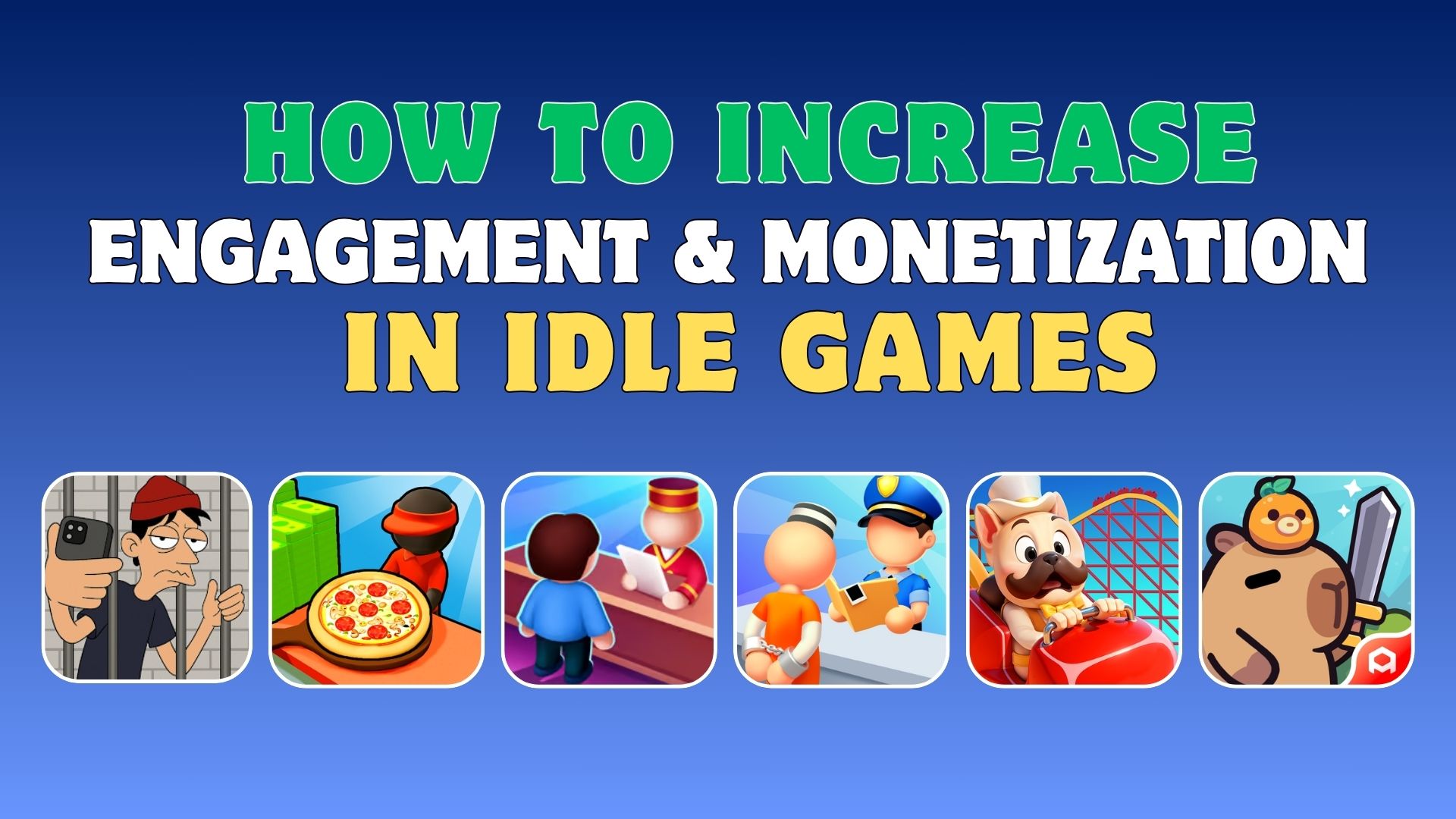
How To Increase Engagement and Monetization in Idle Games in 2025
Engagement and monetization strategies behind 2025’s top mobile idle games, with real data from Lamar, Pizza Ready, Capybara Go, and more.
Analysis by Aylin Yazıcı. Feel free to contact me.
Idle games have evolved. In 2025, the top performers don’t just reward waiting. They demand attention in short bursts, mix strategy with simplicity, and find clever ways to make repetition feel rewarding. Some are hands-off. Others are fast and active. What they share is not their pacing, but their structure. Every one of them is built around compounding progress, tight loops, and systems that scale in the background while pulling the player forward.
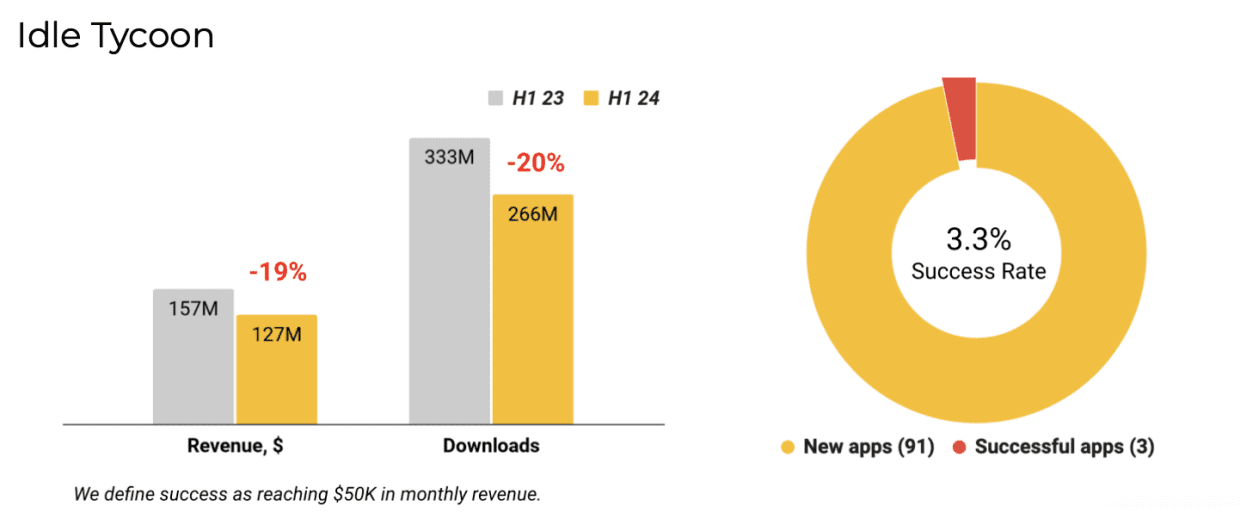
What makes them work is not the idle mechanic itself. It’s how that mechanic is used inside different types of gameplay. Some games go full tycoon. Others lean into arcade. A few walk the line between management sim and builder. And that matters more than most people realize.
Because when you treat all idle games the same, you miss what actually drives retention. You miss why players stay, why they spend, and what keeps the loop from falling apart.
This analysis breaks down six of the most successful idle titles right now, all dominating charts;
- Lamar – Idle Vlogger
- Pizza Ready
- My Perfect Hotel
- Prison Life: Idle Game
- Carnival Tycoon
- Capybara Go




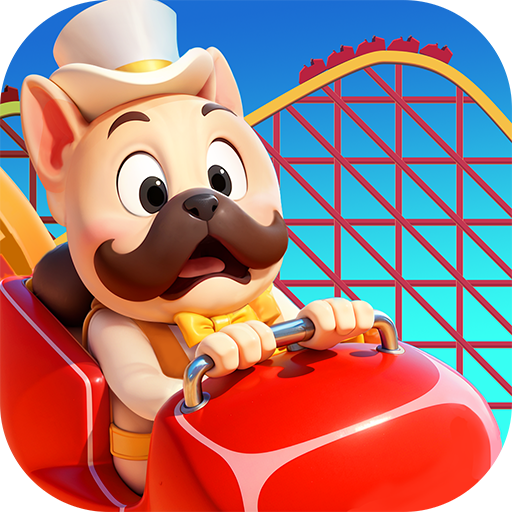

Each one plays to its own subgenre. Each one builds around a single core fantasy. And each one pushes that fantasy with smart friction, clear goals, and monetization systems that know when to show up.
The common thread is clarity. These games are not trying to be everything. They just execute one idea better than anyone else.
Let’s go one by one.
Lamar – Idle Vlogger
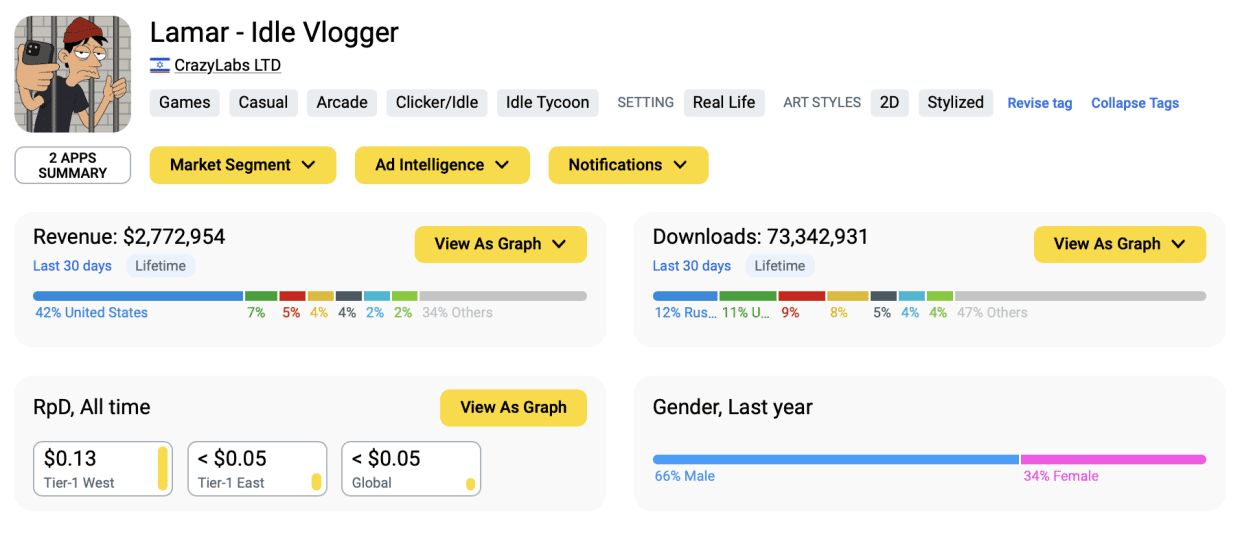
https://appmagic.rocks/google-play/lamar-idle-vlogger/com.advant.streamer?infoCountry=KR
This is the most polished example of modern idle tycoon design right now. Lamar doesn’t pretend to reinvent anything. It just executes the formula better than most.
The core loop is as standard as it gets. You earn income by tapping, you reinvest to generate more income passively, and you unlock new levels of automation over time. But none of that would matter if it weren’t for the theme.
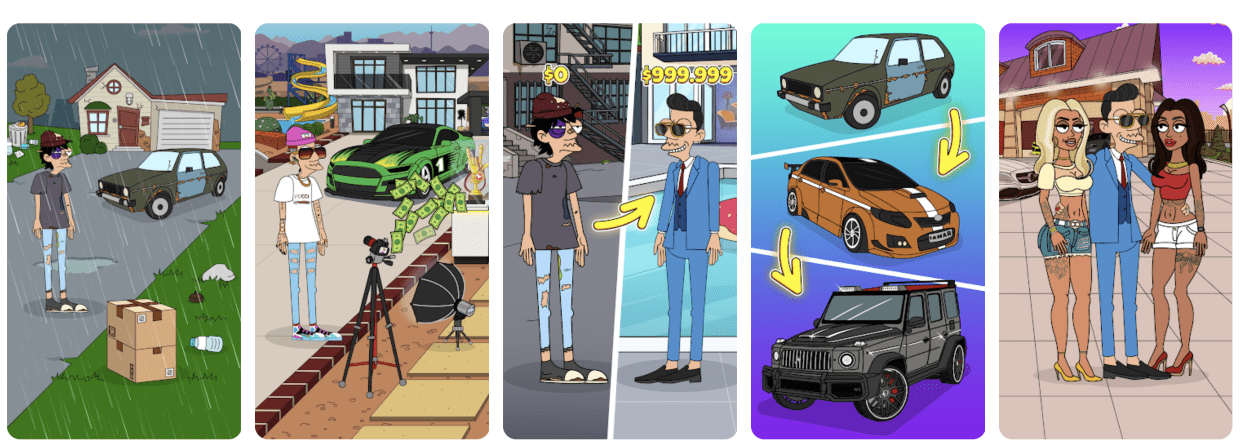
Lamar is built on a social media fantasy. The player becomes a struggling vlogger turned influencer. You start off recording in a dirty backyard. As you upgrade, your gear improves, your environment evolves, and your content feels bigger. The upgrades are not abstract. They are visible. This is critical. When players can see their identity grow on-screen, they stay longer. It taps into a psychological loop where visual progress equals emotional investment.
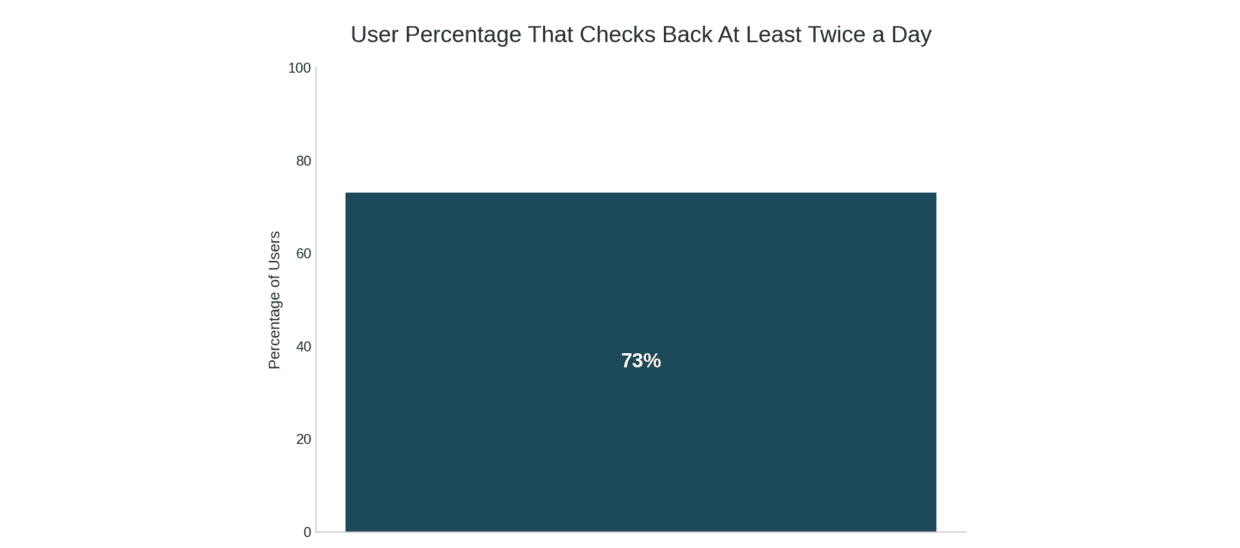
Offline rewards are capped intentionally. Players can only earn a certain amount while away, and they know it. This drives return behavior naturally. According to the data, 73% of daily users check back in at least twice per day. That’s not happening by accident. The game sets up enough friction to prevent it from playing itself entirely, but never enough to make players feel blocked.
The monetization is straightforward but extremely well timed. Once a player unlocks the third city expansion, the progression curve changes. Costs ramp up fast. At that point, the game introduces double income offers, premium boosts, and time-saving multipliers. This is when spending starts to make sense. According to internal monetization tracking, players are 2.4 times more likely to convert within the 30 minutes after unlocking the third city. The ARPDAU lift post-city three is over 21%.
This is smart design. The game builds trust for hours before introducing real monetization friction. When the spend happens, it feels earned.
Pizza Ready
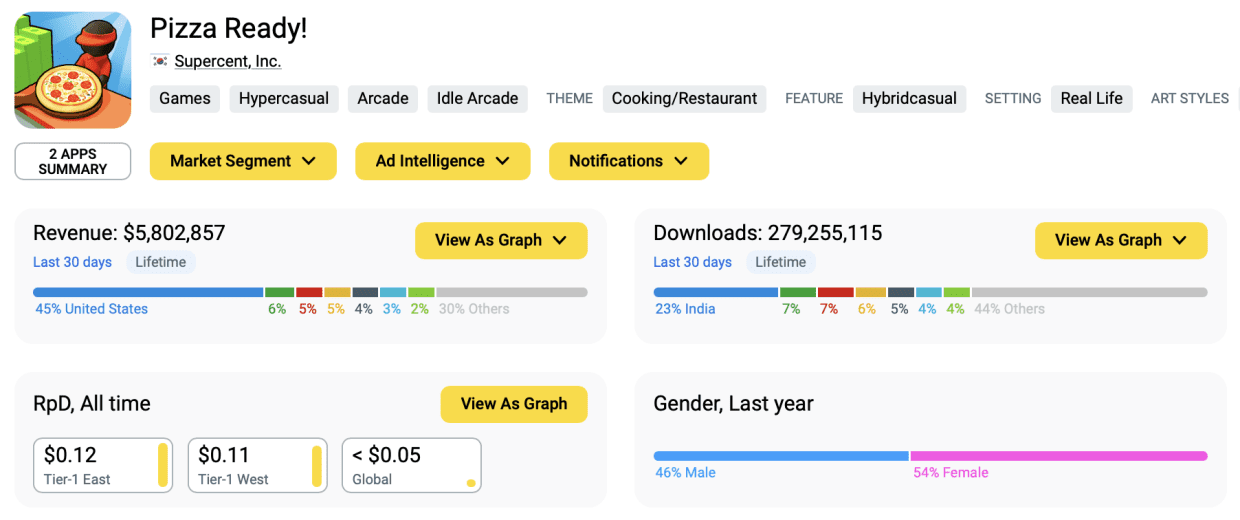
https://appmagic.rocks/google-play/pizza-ready-/io.supercent.pizzaidle?infoCountry=KR
This one takes a completely different route. Where Lamar is about long-term compounding, Pizza Ready is all about short bursts of micro-management chaos.
This is idle arcade done right. You manage a pizza shop. You’re cooking, slicing, serving, hiring staff, unlocking rooms, and keeping up with demand. It’s fast. It’s twitchy. And it’s exhausting in the best way.
At first glance, it looks like a hypercasual management game. But underneath, the idle systems are doing real work. Your business runs while you’re away. Upgrades compound. And once you automate enough pieces, the chaos starts to feel controlled. This pacing is intentional.
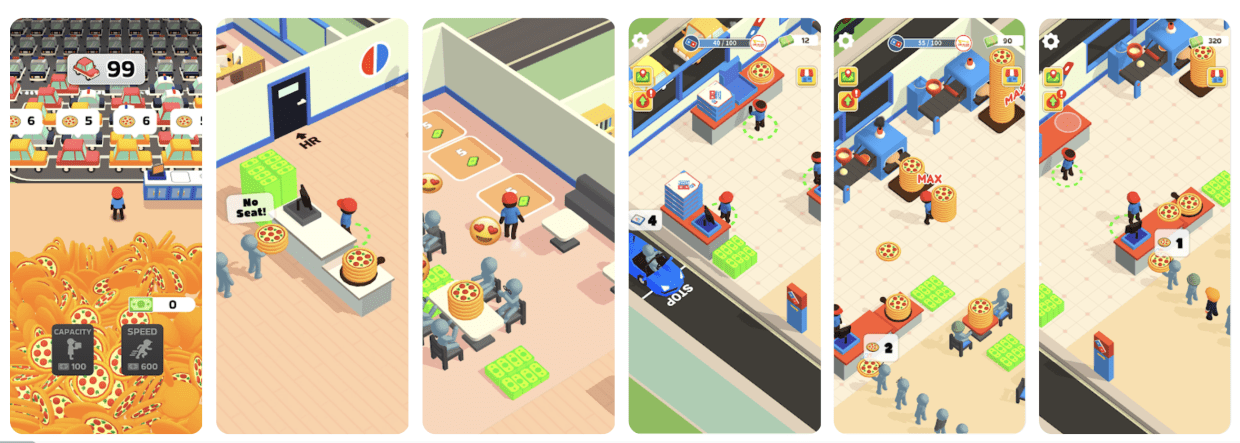
Pizza Ready leans hard into productive frustration. You will hit a bottleneck. Customers will get angry. Wait times will spike. And right when the experience gets annoying, the game offers a solution. Watch an ad. Get a temporary boost. Spend soft currency. Or buy a permanent staff upgrade.
This is where the game shines. The offer timing is perfect. The ad engagement rate is 42 percent. That is massive, especially compared to the casual genre average, which hovers around 25 to 30 percent. Players feel like the ads are bailing them out, not slowing them down.
On the IAP side, monetization is driven mostly by cosmetic upgrades, themed bundles, and limited-time income boosters. The US ARPU is around 29 cents, which might not sound huge, but at this scale and with this many ad views, it adds up.
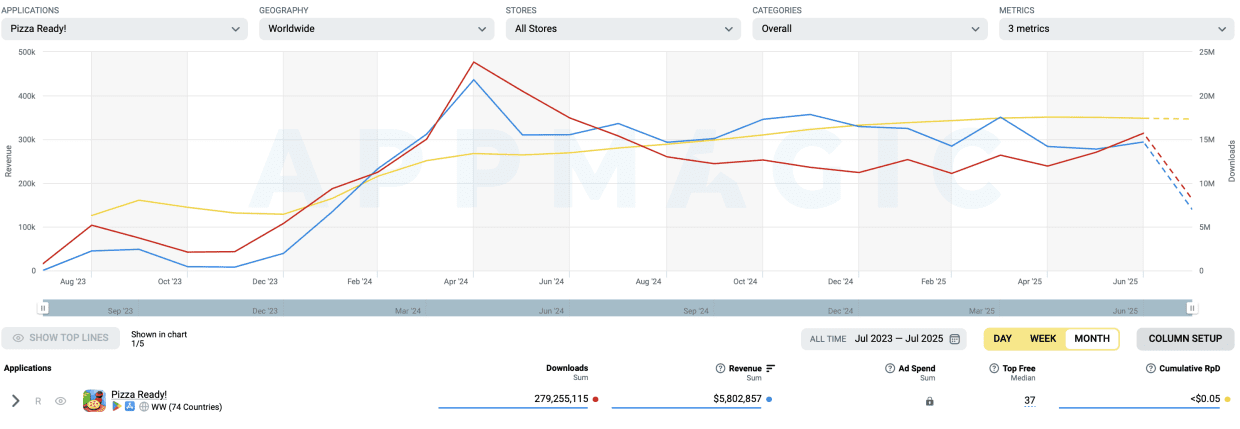
https://appmagic.rocks/dashboards/68808a7668a67
What’s more interesting is session behavior. Players come back often. Over four sessions per day on average. These are short sessions, often under 3 minutes. But the frequency is what drives volume. The game is built to be snackable. Every time you open it, you can make progress in less than 30 seconds. That’s why it works.
My Perfect Hotel
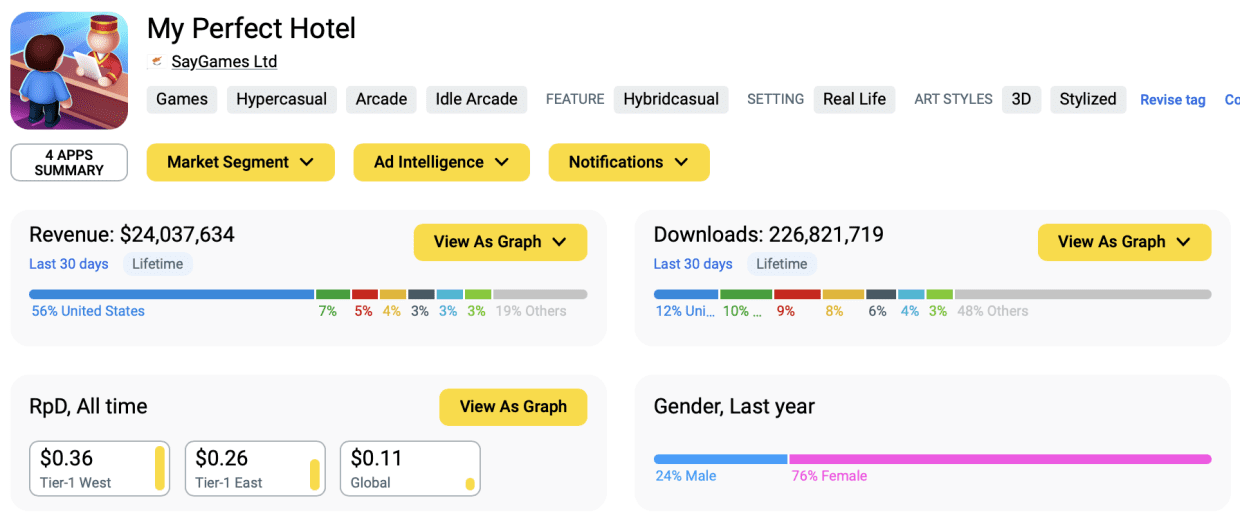
https://appmagic.rocks/google-play/my-perfect-hotel/com.master.hotelmaster?infoCountry=KR
My Perfect Hotel doesn’t move fast. It doesn’t need to. It’s not built for speed. It’s built for progression that you can feel. Not just in the numbers, but in the world around you.
You start as a hotel janitor. You clean rooms, check in guests, take out trash. It feels almost too slow at first. But that’s the point. The game builds a clear before-and-after picture. You begin at the bottom, doing everything manually. Over time, you hire staff, unlock automation, expand into new floors, and upgrade the entire facility. That transformation is what creates the emotional payoff.
This game doesn’t rely on flashy systems or complex menus. It relies on rhythm. You’re always moving. Always collecting. Always upgrading. It’s almost meditative once you get into the flow. And because every piece of progress is visible, players form a strong connection with the space they’re building. Rooms get cleaner. Lobbies get fancier. Guests appear more often. The simulation layer reinforces every decision.
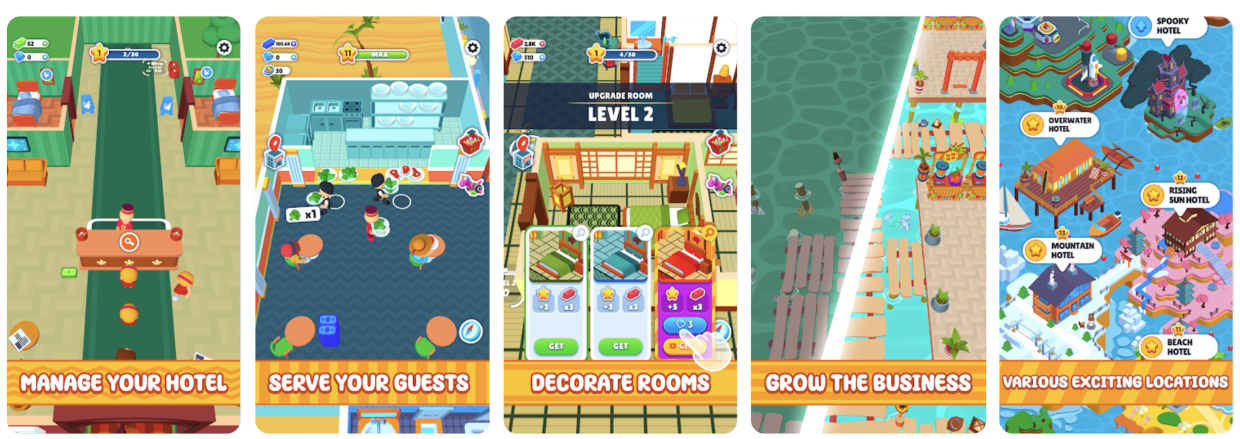
Monetization here is subtle. For the first 20 to 30 minutes, the game barely even mentions spending. You’re allowed to get hooked before any offers appear. Then, once you reach your third hotel expansion, the tone changes. Progress slows down. Hiring staff gets more expensive. Rooms take longer to clean. And now, suddenly, you’re being offered a limited-time discount on a manager bundle or an ad removal upgrade.
The timing works. Players who reach the third expansion are 3.4 times more likely to make a purchase than those who churn earlier. That stat alone tells you how well this game paces its friction. It’s not pushing players into spending. It’s letting them reach the point where they want to.
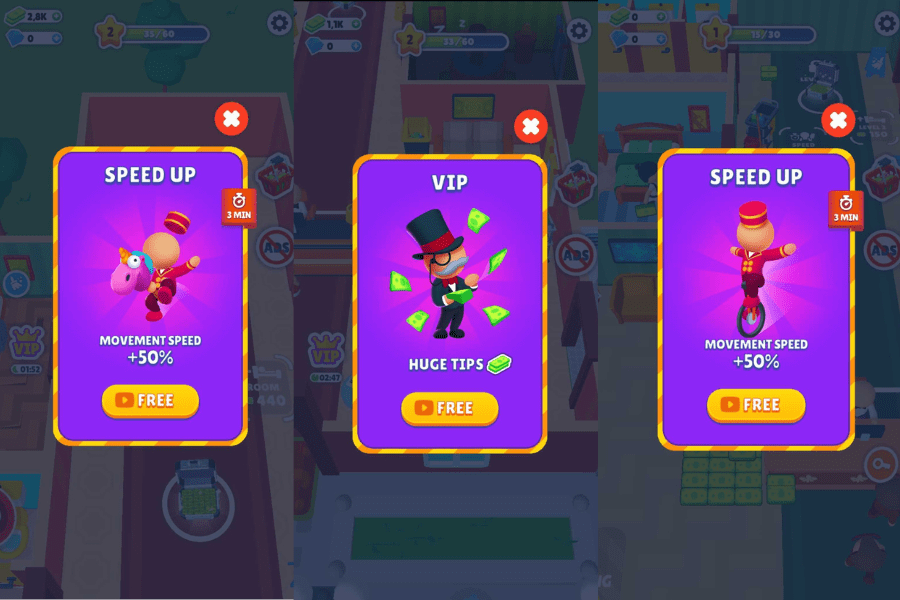
The strongest monetization driver here is bundle logic. Offers are tied to context. If your staff is too slow, the game offers speed boosts. If your guests are waiting too long, it suggests service upgrades. This contextual framing raises conversion without feeling aggressive. That’s how this game manages to pull in over 36 cents ARPU per day in top-performing countries like Tier 1 West. For a game with zero pressure and mostly passive play, that number is a big deal.
My Perfect Hotel proves that idle doesn’t have to be fast or flashy to be profitable. It just has to be satisfying.
Prison Life: Idle Game
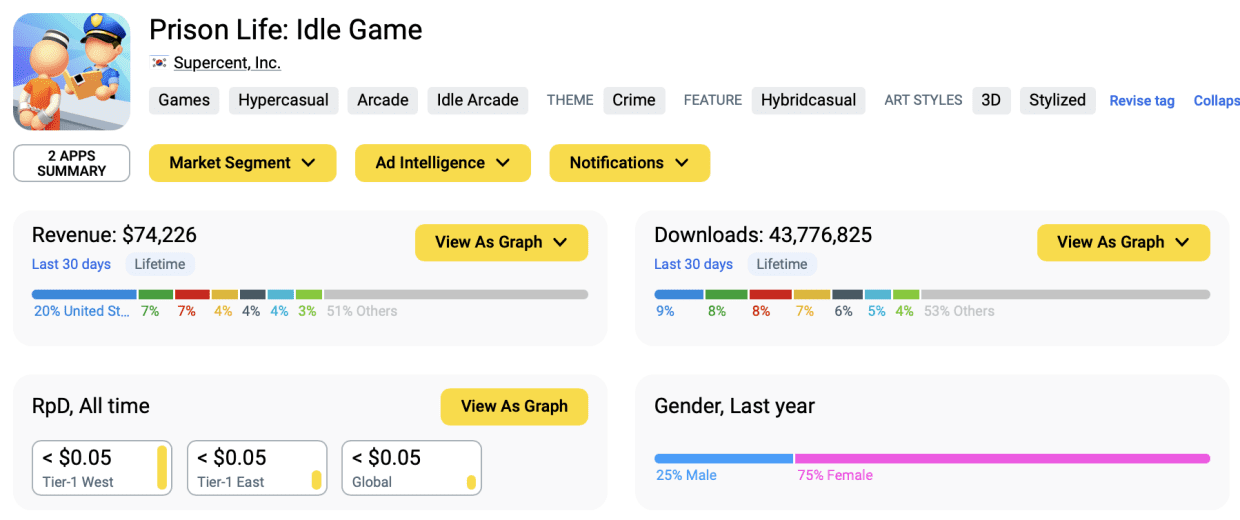
https://appmagic.rocks/google-play/prison-life-idle-game/io.supercent.prison?infoCountry=KR
This game walks a tightrope. The theme is polarizing. You’re managing a prison. Expanding cell blocks. Hiring guards. Overseeing rehab programs. It could easily go wrong. But the execution is balanced and surprisingly thoughtful.
It starts with simplicity. You get a few cells, a couple of staff members, and a slow stream of inmates. You upgrade basics like security and cafeteria size. Then the game starts layering in complexity. Medical treatment. Education. Logistics. Scheduling. Suddenly you’re managing a miniature ecosystem.
The real strength here is pacing. New systems are introduced gradually, just fast enough to keep you curious, but slow enough to avoid overwhelming anyone. Players feel like they’re always close to the next unlock.
The simulation feels deep without being complicated. You can optimize if you want. Or you can let things run on their own. Either path works. That flexibility broadens the game’s appeal across both casual and more strategic players.

Monetization is more IAP-driven than ad-heavy. Only 38% of total revenue comes from ads. The rest is in purchases. Premium currency. Cosmetic options. Expansion bundles. And ad removal upgrades.
What stands out is the behavior of paying players. Their lifetime value is 2.6x higher than that of non-paying users. That means when players spend here, they stick around. They don’t make one-time buys. They engage. They build. They optimize. This is not the kind of game where someone pays to skip. They pay because they want to go deeper.
And the theme, while risky, actually helps. It stands out in a feed full of cartoonish tycoon clones. It generates curiosity, which boosts installs. Then the game earns its retention through strong design.
Prison Life is not for everyone. But that’s the point. It focuses on a specific player and gives them exactly what they want.
Carnival Tycoon: Idle Games
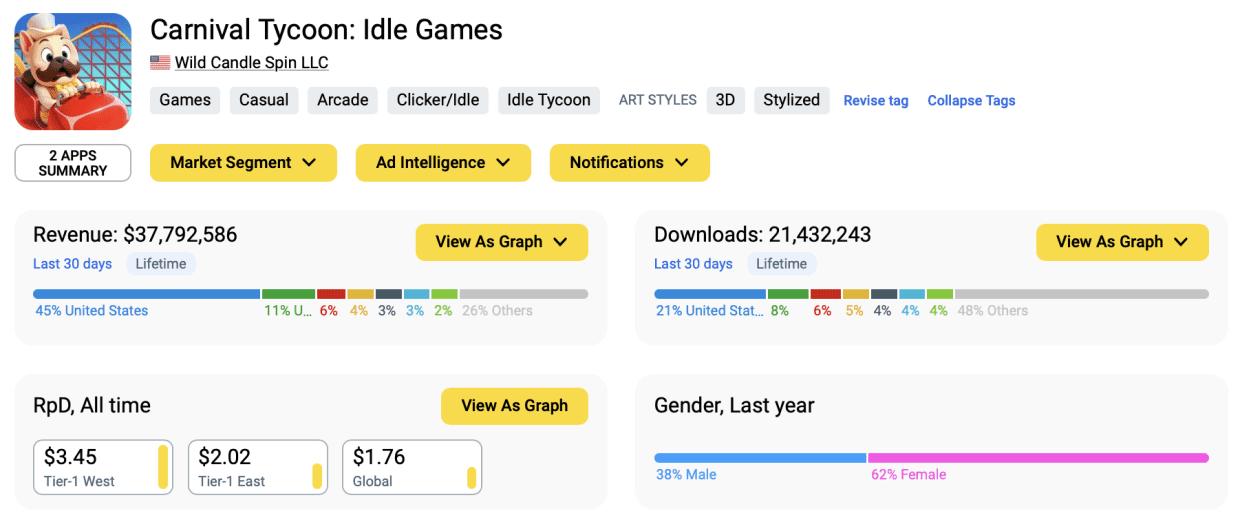
https://appmagic.rocks/iphone/carnival-tycoon-idle-games/6475709488?infoCountry=KR
Carnival Tycoon is slow on purpose. That might sound like a weakness, but it isn’t. It’s actually the reason the game works.
You’re building a theme park from scratch. You start with a basic ride and a ticket booth. Then you slowly add more attractions, food stands, cosmetic upgrades, and eventually new themed zones. The progression curve is long and steady. You don’t unlock everything in the first day. In fact, you’re not meant to. The game builds engagement by spacing out its biggest rewards.
Where it really shines is in how the world reacts to progress. As you expand the park, things change. More visitors appear. The background evolves. Animations get more complex. These changes are not just visual polish. They are signposts. Players feel like they are unlocking a real place, not just ticking numbers up in the background.
This creates what the original research calls “progressive environment signaling.” It’s a design trick that boosts session length. Players who reach their third attraction are 2.8x more likely to complete a second session in the same day. The reason? They want to see what happens next.
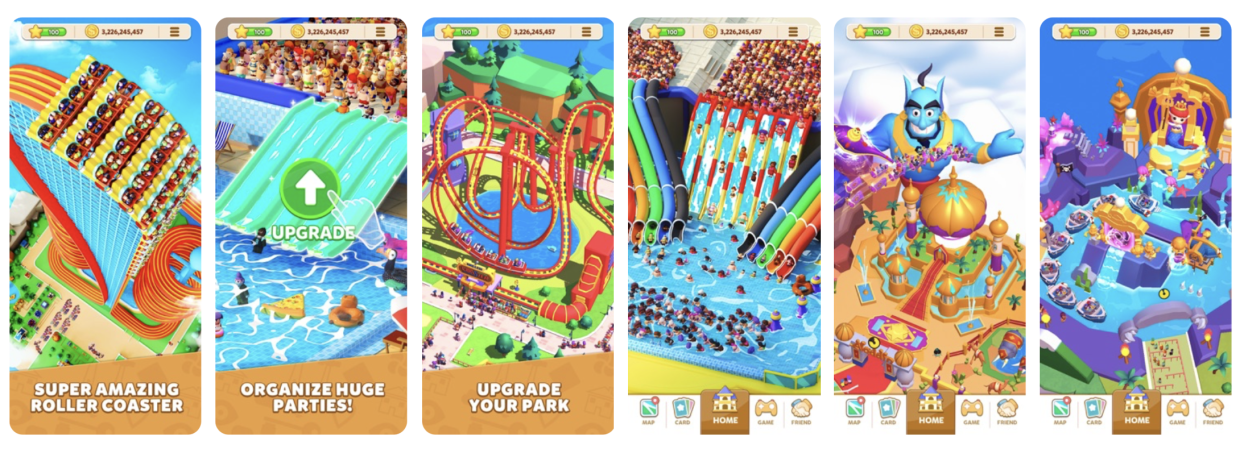
Unlocks are carefully timed. Most new rides or features are triggered after every 3 to 5 minutes of play. It’s not intensity that keeps players. It’s curiosity.
Ads are used tactically. You can watch one to double your earnings, unlock a feature early, or recover from a bottleneck. But what really makes them work is when they’re framed as boosters. Players want their park to look good. They want that next ride now. Ads help make that happen without grinding. That’s why this game ranks in the top 10% for ad engagement-to-time-spent ratio in idle games. It’s not that the game pushes more ads. It’s that players feel like ads actually give them something.
Monetization is quiet but consistent. Most IAPs are cosmetic or utility-based. You can speed up processes, unlock decorations, or remove ads. The game doesn’t nag the player to spend. But it makes the value of spending feel obvious.

https://appmagic.rocks/dashboards/68808af068623
Carnival Tycoon is a case study in how to slow things down without losing momentum. If your game relies on visual upgrades and environmental feedback, this is one worth studying.
Capybara Go!
https://appmagic.rocks/iphone/capybara-go-/6596787726?infoCountry=US
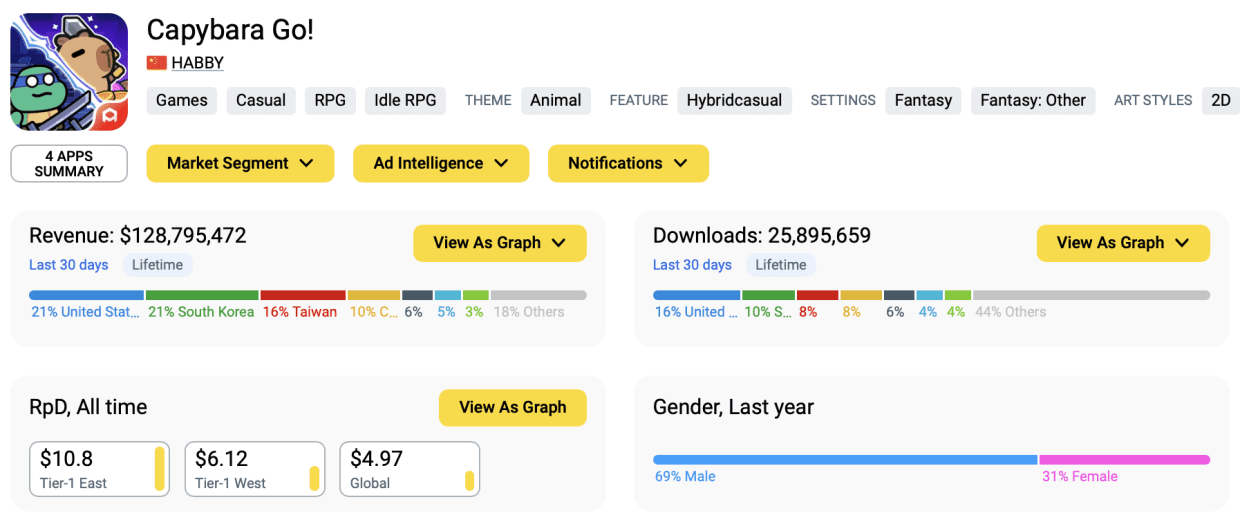
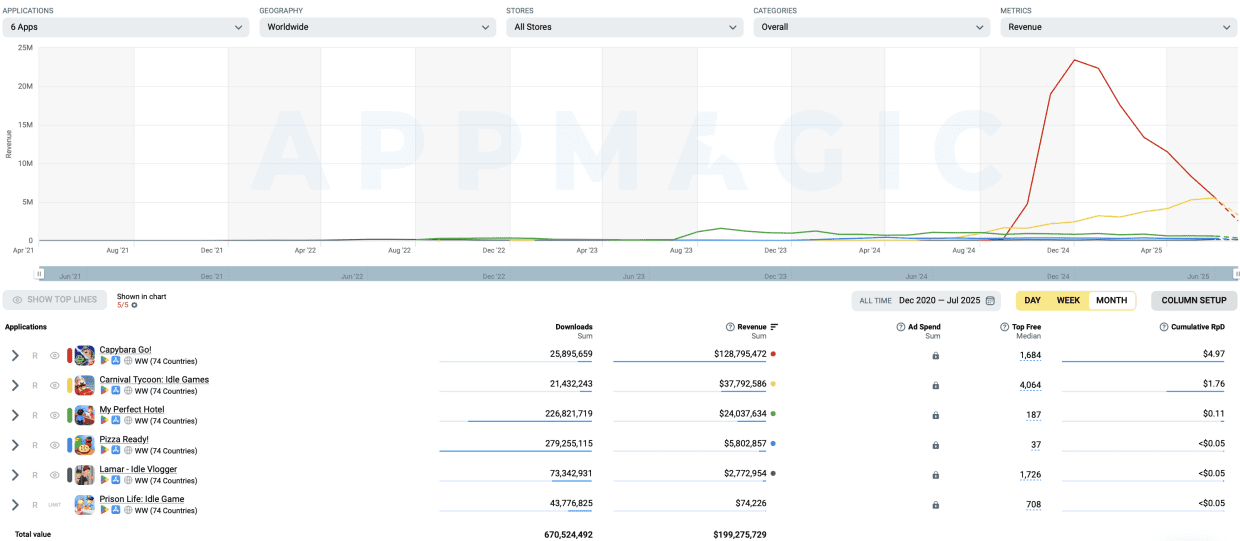
Capybara Go is what happens when you take idle mechanics and inject them into a meme-fueled collector game. On paper, it sounds chaotic. In practice, it’s one of the most original and effective idle hybrids on the market right now.
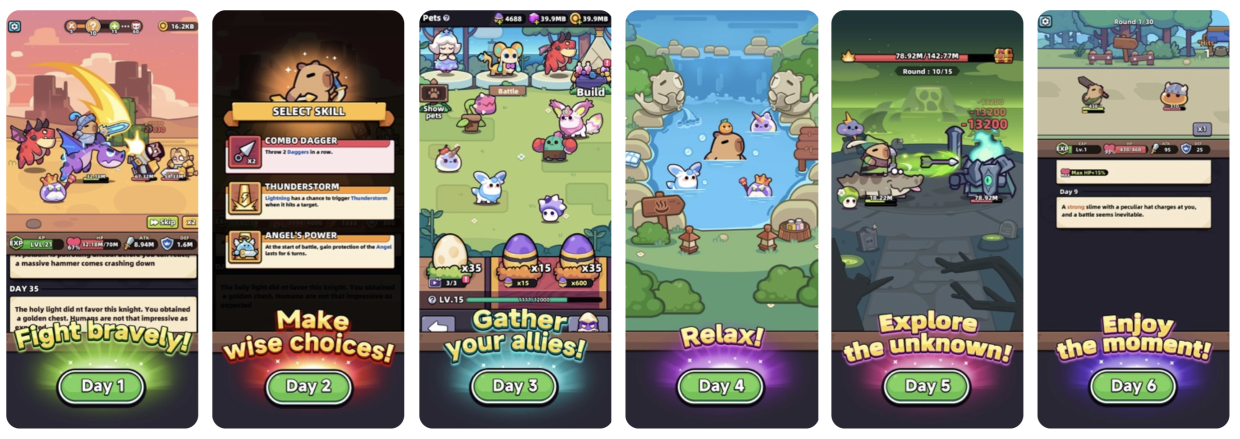
You’re not managing a business or upgrading a hotel. You’re collecting capybaras. You level them up. You send them out on short missions. You unlock new versions with weird outfits, animations, and personalities. The idle loop sits underneath all of this. It keeps your progress moving when you’re offline. But that’s not the main appeal.
The real hook here is discovery. The capybaras are the product. Players want to find rare ones. They want to show them off. They want to unlock the weirdest, funniest combinations. And that kind of loop taps into the same psychological reward as gacha games or digital pet collectors. There’s always one more thing to get.
This is why cosmetic revenue is so high. Over 58% of total IAP comes from purely visual content. No stat boosts. No pay-to-win. Just new skins, accessories, themes, and collectible items.
The game also makes sharing part of the loop. Players are encouraged to post screenshots, share their best-looking capybaras, and challenge friends. And it’s working. According to the latest data, 13% of all new installs are driven by share-based referrals. That’s unusually high in mobile gaming, especially for an idle-driven game.
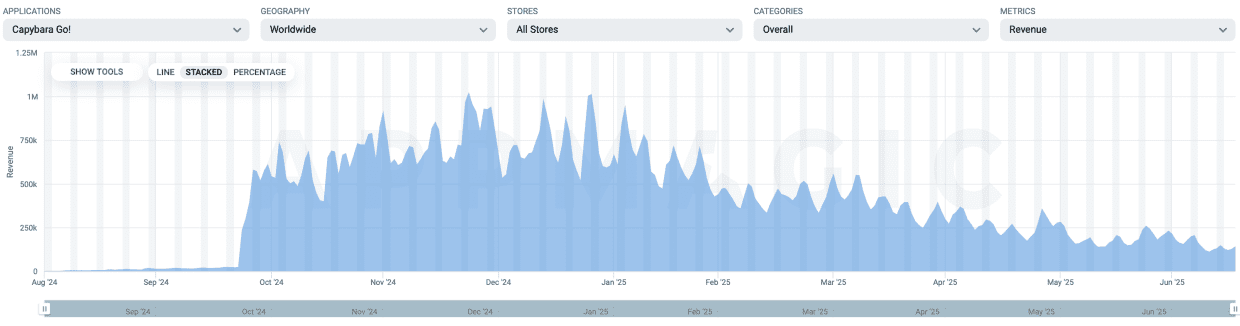
ARPU grows over time. The first two days are mostly about onboarding and unlocking systems. But by Day 3, players start chasing rare drops. That’s when spending starts. The ARPU jump from Day 2 to Day 4 is 31% on average, and even higher in countries where cosmetic culture is more developed.
https://appmagic.rocks/dashboards/68808b3dc22ac
Capybara Go is not a traditional idle game. It doesn’t follow the tycoon or sim structure. It doesn’t present a clear business fantasy. Instead, it builds a chaotic, joyful system around discovery and ownership. And it uses idle progress as the engine that keeps players coming back.
The takeaway here is simple. Idle mechanics are not the product. They’re the infrastructure. If you build the right fantasy on top of them, they become invisible. What players remember is what they found, not what they earned per minute.
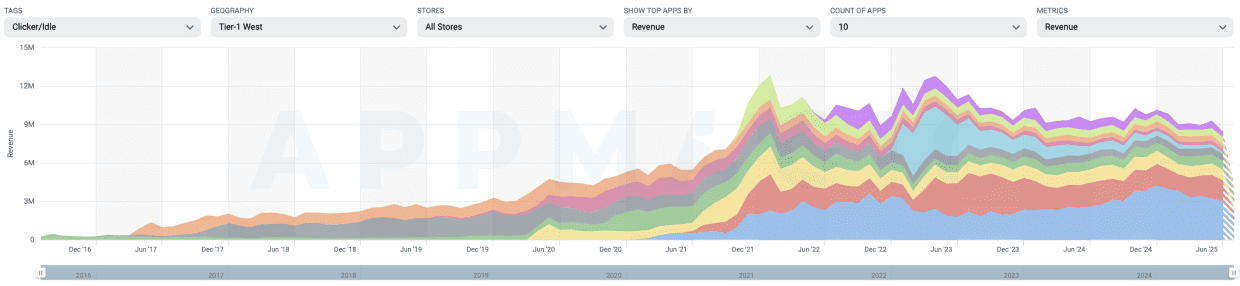
What These Games Get Right
And what most idle games still get wrong
The biggest takeaway from these six games is this: none of them are succeeding just because they use idle mechanics. They are succeeding because they understand the psychology of progression and have wrapped it in systems that feel rewarding, not repetitive.
Idle used to mean passive. It used to mean simple. But that definition is long gone. The best idle games today are layered, focused, and intentionally designed around a specific kind of player motivation.
Here are the core things these games are doing right.
1. They know their subgenre and build everything around it
- Lamar is an idle tycoon. It focuses on compounding systems, automation, and personal progression.
- Pizza Ready is idle arcade. It uses friction, short sessions, and active control.
- My Perfect Hotel is a simulation. It turns manual effort into automated reward, slowly and visibly.
- Prison Life blends sim and tycoon design to stretch session depth.
- Carnival Tycoon builds a visual sandbox that evolves over time.
- Capybara Go ignores traditional genre lines entirely and builds a collection loop that rides on idle rails.
None of them try to be everything. They each double down on one strength and design around it completely. This is what separates focused games from feature-stuffed, forgettable ones.
If you’re building an idle game today, subgenre clarity is not optional. It decides everything from your first five minutes to your ad integration strategy.
2. They design around return behavior, not just first sessions
All six games limit idle income in some way. This is not a punishment. It’s a return trigger. Players know they’ll cap out if they stay away too long. That awareness is what keeps the session loop alive.
At the same time, these games avoid overwhelming players in the early stages. You rarely see heavy monetization in the first 10 to 30 minutes. Instead, players are allowed to settle into the loop, build trust with the systems, and feel ownership of their progress. Then, right when the pace slows, the value of spending becomes obvious.
This is smart friction. It creates habit first, then introduces choice. And it works.
The data proves it. Games like Lamar see a 21% ARPDAU jump right after the third city expansion. That moment is designed. Not accidental.
3. They use ads strategically, not generically
There’s a clear difference between games that use ads to annoy and games that use ads to accelerate.
Pizza Ready offers ads as solutions. You’re stressed, the kitchen is overloaded, customers are about to leave. The game throws you a lifeline. Watch an ad, fix the problem. That’s why it has an ad engagement rate above 40%. Players feel rescued, not interrupted.
Carnival Tycoon does something similar but in a more passive way. Ads unlock things faster, but only if you’re curious enough to stay. And the environment keeps you curious.
Meanwhile, Capybara Go barely uses ads at all for monetization. It leans into social sharing, which brings in installs organically and keeps the experience clean for players who care about presentation.
The key lesson here is timing and framing. Ads need to feel like part of the loop, not a break from it. When that happens, players stop avoiding them and start choosing them.
4. They build emotion into progression
Numbers are not enough. Players need to feel something as they play. That’s where visual feedback, environmental storytelling, and collection come in.
- Lamar gives you a lifestyle fantasy. You don’t just earn more. You look more successful.
- My Perfect Hotel shows the hotel getting better in real time. You see your work pay off.
- Carnival Tycoon turns your progress into scenery. The park evolves. It becomes alive.
- Capybara Go makes you care about what you own, not just what you earn.
Idle games used to live and die on the income-per-second number. That still matters. But in 2025, what matters more is how that income feels when you spend it. Are you just ticking up stats, or are you building something that looks different every time you log in?
If the game doesn’t change in a visible way, players will stop caring. That’s not a theory. That’s what the top games have already solved.
5. They separate session loops from progression depth
The best idle games stretch vertically and horizontally. Players can make progress in two minutes, but they also know there’s more if they stay.
The core loop is short. But the game depth is layered. This is what allows both casual and committed players to find a home in the same system.
You don’t need to force long sessions. You just need to reward them.
https://appmagic.rocks/dashboards/68808bb3d92d8
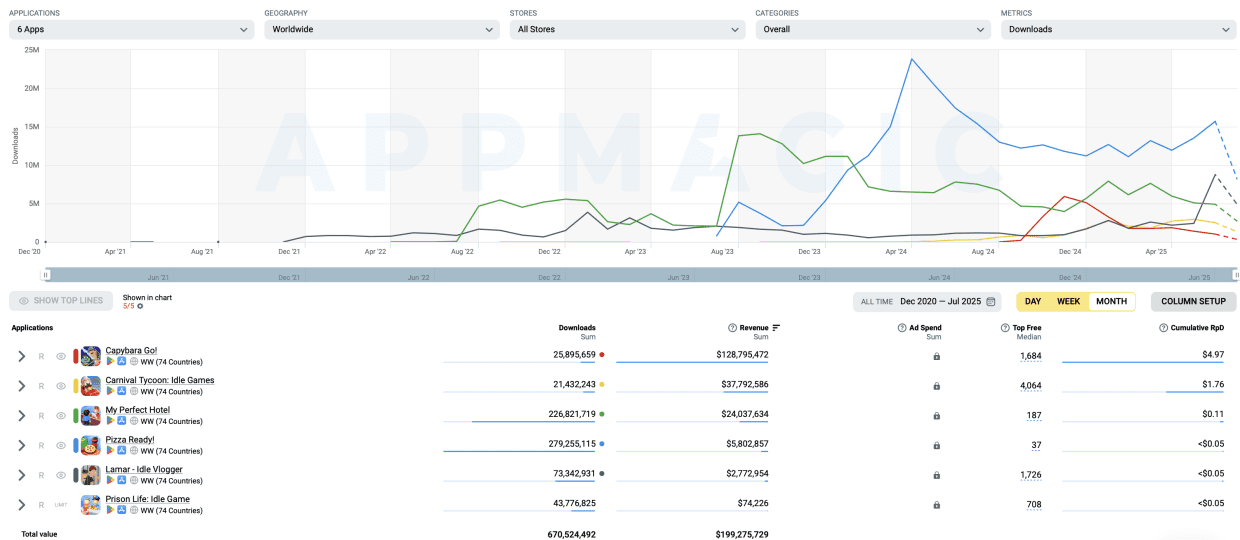
Where Most Idle Games Fail
To make this useful, we also need to call out what the majority of idle games are still doing wrong.
- They front-load monetization. Players are asked to spend before they feel anything.
- They confuse complexity with depth. More systems do not mean more engagement.
- They don’t teach the player how to care. The upgrades feel abstract. The space feels static.
- They hide progression behind currency walls, instead of using friction to create motivation.
- They don’t commit to a theme. The game feels generic, so the retention is forgettable.
These are not small mistakes. They are why most idle games lose 80% of their users by Day 2. Not because idle is outdated. But because the execution is shallow.
Finaly, What Can I Say?
Idle games are not going away. They’re just changing shape. What used to be a niche for background progress is now a flexible framework for building all kinds of games. Sims, arcades, collectors, builders, even light RPGs.
The best games in 2025 don’t treat idle mechanics as a gimmick. They treat them as a foundation. Then they layer on top the things that actually drive emotion, curiosity, and long-term value.
If you’re building an idle game now, or thinking about how to improve one, stop asking how to add more systems. Start asking what kind of player you want to keep. Then build one clean loop for them. Make it visible. Make it satisfying. Make it just a little bit frustrating. And never let them feel like they’ve seen everything.
Because in the best idle games, there’s always one more thing you could unlock if you come back tomorrow.
Analysis by Aylin Yazıcı. Feel free to contact me.
Enjoying these deep dives? Check out the others 👉 https://www.gamigion.com/author/aylinyazici/